Rubbish collection Bromley town centre The Glades
Posted on 03/07/2026
Rubbish collection Bromley town centre The Glades: a practical guide for busy homes, shops, and offices
If you need rubbish collection in Bromley town centre near The Glades, you are probably trying to solve a very ordinary but very real problem: the bags are building up, the flat is too tight for storage, the office has outgrown its waste bins, or a shop fit-out has left you with far more debris than expected. It sounds simple until you try to move bulky, awkward, or mixed waste through a busy town centre on a normal day. That is where a good, well-organised collection service makes life much easier.
This guide explains how rubbish collection Bromley town centre The Glades usually works, who it helps, what to check before booking, and how to avoid the little mistakes that turn a straightforward job into a headache. We will keep it practical, local, and clear. No fluff. Just the stuff you actually need when time, access, and cleanliness all matter.
Why Rubbish collection Bromley town centre The Glades Matters
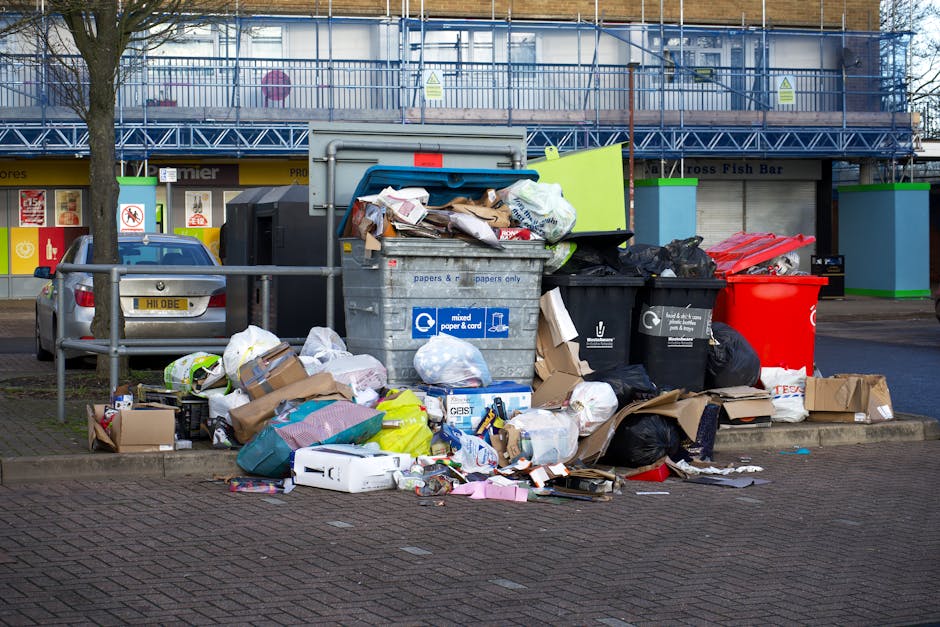
The Glades and the wider Bromley town centre area have a very different rhythm from suburban waste collection jobs. Footfall changes through the day, loading space can be limited, and access routes may be shared by shoppers, delivery drivers, staff, and residents. That means waste cannot just be treated like a garden clear-up in a quiet cul-de-sac. Timing and presentation matter more.
For households nearby, the issue is often scale. A few extra black bags, a broken wardrobe, old boxes from a move, or packaging from a new appliance can quickly take over a small flat. For shops and offices, the problem is usually consistency. Waste accumulates daily, and if it is not removed properly it starts to affect working space, hygiene, and the feel of the premises. Let's face it, nobody wants customers stepping around flattened boxes or a back room that has become a storage cave.
There is also a reputation angle. In town centre locations, waste left outside at the wrong time can look untidy very fast. One overfilled bin on a wet morning, with the smell of damp cardboard and takeaway packaging drifting out, and the place suddenly feels less welcoming. That is avoidable with a decent collection plan.
If you are also comparing longer-term options for property, fit-outs, or moving into the area, you may find it useful to read about buying a home in Bromley and the practical realities of living locally in Bromley. They are not waste articles, of course, but they help paint the bigger picture of how people use and manage space in the area.
Expert summary: In a busy town centre, good rubbish collection is about more than lifting waste away. It is about timing, access, tidiness, safety, and making sure the removal process does not disrupt customers, neighbours, or staff.
How Rubbish collection Bromley town centre The Glades Works
Most professional rubbish collection services follow a fairly simple sequence, but the details matter. The cleaner the planning, the smoother the pickup.
1. You describe what needs removing
Start with a clear description of the waste. Is it household rubbish, office waste, mixed junk, furniture, cardboard, builders' debris, or something else? The more specific you are, the better the collection can be matched to the load. A "few items" and "a van full" are not the same thing. To be fair, that is where many misunderstandings begin.
2. Access and timing are checked
In town centre locations, access can be the deciding factor. Is there lift access? Is the waste on a second floor? Can a vehicle stop close enough for loading? Is there a narrow service road, a one-way system, or a restricted time window? These small points often change the practical plan.
3. The waste is separated where possible
If items can be sorted into recyclable material, reusable items, and general waste before collection, that usually makes the process cleaner and more efficient. It is also better practice. Cardboard, metals, and some furniture components may be handled differently from mixed black bag waste.
4. The collection is carried out
On the day, the crew should remove items with minimal disruption, keeping pathways clear and avoiding damage to walls, lifts, door frames, and shared entrances. In a town centre, good manners are not a luxury. They are part of the job.
5. Waste is taken for sorting, reuse, or disposal
A reputable collection service will aim to divert as much material as practical away from landfill where this can be done responsibly. If you are interested in broader sustainability practices, take a look at recycling and sustainability, which sits nicely alongside any sensible waste plan.
What customers usually notice
- Fast clearance of clutter without having to hire a skip
- Less physical strain, especially for bulky items
- Cleaner shared entrances and pavements
- More predictable handling of mixed waste
- Better fit for busy or access-restricted locations
Key Benefits and Practical Advantages
For many people, the main benefit is straightforward: the waste disappears without you having to deal with the heavy lifting, the logistics, or the disposal headache. But the real value goes a bit deeper than that.
Time savings in a busy area
Town centre life moves quickly. Whether you manage a small office, a retail unit, or a flat above a shop, spare time is often in short supply. A proper collection service saves the multiple trips to and from a car, loading bay, or shared bin store.
Cleaner premises
Clean spaces tend to stay useful spaces. When waste is removed promptly, storage areas remain usable, customer-facing areas stay tidy, and the overall environment feels more professional. That applies whether you are running a business or just trying to stop the spare room becoming a graveyard for packaging and old bits of furniture.
Lower physical risk
Not every item is easy to carry. Broken wardrobes, old desks, waterlogged carpet rolls, and heavy bags can lead to strains or knocks if handled badly. A managed collection reduces the chance of someone doing a heroic lift that their back later regrets. We have all seen that moment. Not pretty.
Better flexibility than a skip in some situations
In a place like Bromley town centre, a skip is not always the easiest answer. You may not have the space, the permit may be inconvenient, and the loading process may be too slow for a short turnaround. Rubbish collection can be much more adaptable for irregular volumes and mixed waste.
More suitable for mixed household and business waste
One of the most overlooked advantages is handling mixed loads sensibly. A lot of real-world rubbish is not neat. It is half packaging, half broken shelf, some office paper, a few old storage boxes, and that one mysterious item nobody remembers buying. Collection services are often better suited to that messy reality than rigid disposal options.
| Option | Best for | Strengths | Trade-offs |
|---|---|---|---|
| Rubbish collection | Mixed waste, bulky items, smaller clearances | Flexible, quick, minimal disruption | Needs clear description of the load |
| Skip hire | Longer projects, larger volumes, ongoing DIY work | Good for repeated loading over time | Space, permit, and access can be difficult in town centres |
| Self-haul to a facility | Small loads and people with transport | Direct control | Time-consuming, physically demanding, and not always practical |
Who This Is For and When It Makes Sense
This kind of service is useful for a lot more people than you might think. The phrase "rubbish collection" sounds basic, but the situations behind it are usually pretty varied.
Homeowners and tenants
If you are clearing a flat near The Glades, especially one with limited storage, a rubbish collection service can be the simplest way to deal with unwanted furniture, old appliances, bags of clutter, or post-move leftovers. If you are a homeowner planning improvements, you may also find our article on wise investments in Bromley property useful for thinking about the value of keeping the home organised and ready for use.
Landlords and letting agents
Turnovers create waste. That is the reality. End-of-tenancy clearances often include mattresses, broken chairs, damaged blinds, torn carpet offcuts, and general rubbish left behind. A reliable collection can reset a property quickly between occupancies.
Shops and retail units
Retail waste is often more awkward than it first looks. Packaging, display material, damaged stock, old shelving, and promotional items pile up fast. In town centre retail, you usually need rubbish removed without blocking customers or staff access.
Offices and co-working spaces
Paper waste, broken office chairs, filing cabinets, old monitors, and storage clear-outs are all common. If your workplace is getting tight on space, a dedicated office clearance service can be a practical next step when the rubbish is more than just a few bags.
Renovators and small contractors
Anyone doing light building or refurb work near the town centre needs a plan for the waste that appears halfway through the job. For those cases, builders' waste disposal in Bromley is often more suitable than standard household collection.
When it makes sense
- You have mixed waste and limited storage space
- The access is awkward for a skip
- You need the area cleared quickly
- You want less physical effort and less disruption
- You are dealing with bulky or awkward items
Step-by-Step Guidance
If you want the whole process to feel easy, do a bit of prep before collection day. It only takes a little structure, but it saves a surprising amount of stress.
- Walk through the space
Check every room, back office, store cupboard, or bin area. What is actually going, and what needs to stay? It is easy to leave behind one hidden pile under a desk or in a corridor corner.
- Separate obvious recyclables
If you can separate cardboard, metal, and reusable items, do it. Not because you must do everything yourself, but because it makes the collection more efficient and usually easier to handle.
- Measure bulky items
Large furniture, appliances, or awkward loads need honest sizing. A sofa that "should fit" and a sofa that actually fits are two different stories.
- Check access routes
Think about lifts, doorways, parking restrictions, service entrances, and any shared spaces. If the collection team needs to enter through a loading bay or side passage, make sure that route is clear.
- Set aside anything not to be taken
Do not leave important items near the rubbish pile. Documents, keys, chargers, spare stock, and personal items should be moved well away. Sounds obvious, but it happens.
- Confirm timing
Town centre collections often work best in narrower windows. Aim for a time that avoids peak footfall where possible, especially if items need to be carried through shared areas.
- Ask about handling and disposal
Good providers should be able to explain how waste is sorted, what can be recycled, and whether there are any items that need special handling. That is a sign they know what they are doing.
If you want a broader sense of how a provider frames service quality, insurance, and customer trust, have a look at about us and insurance and safety. Those pages help explain the standards behind the work, not just the action on the day.
Expert Tips for Better Results
Here are the things that make a real difference, especially in a town centre setting where space is tight and delays are annoying.
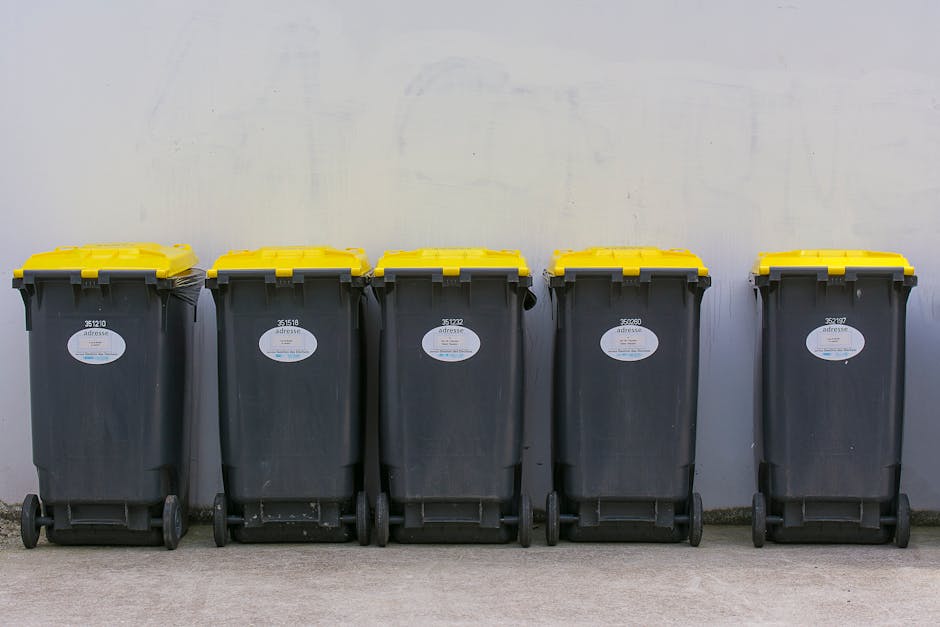
- Group waste by type if you can. Even basic grouping helps. Cardboard with cardboard, metal with metal, furniture together, mixed rubbish together.
- Photograph the load before booking. This is one of the simplest ways to avoid a mismatch between expectation and reality.
- Keep a clear path to the exit. It sounds small, but a clutter-free route saves time and reduces damage risk.
- Think about neighbours and shared users. In flats and mixed-use buildings, timing can matter more than volume.
- Be honest about access. If a lift is tiny, say so. If there is a locked gate or no on-site parking, mention it early.
- Ask what happens to reusable items. Some things may be suitable for reuse, and that is usually preferable where practical.
A small tip from experience: people tend to underestimate how much "small stuff" adds up. Broken shelves, packaging, old hangers, clipped cable ties, and a few bags of general junk can swallow more time than one big item. It's funny, really, until you are the one lifting it.
Common Mistakes to Avoid
A lot of waste jobs go wrong for the same few reasons. Fortunately, most are avoidable.
Leaving access checks too late
If the team arrives and discovers a blocked route, a locked gate, or no stopping place nearby, everything slows down. In town centres, access is half the job.
Underestimating the volume
People often describe waste by item count rather than actual bulk. One dismantled wardrobe can fill more space than five smaller bags. Be realistic.
Mixing protected items with rubbish
Do not assume everything in one area is fair game. Separate what is being kept, sold, donated, archived, or returned.
Forgetting awkward materials
Some items need more care than general waste. Paint, sharp metal edges, electrical items, and contaminated materials can require different handling. Better to flag them early than discover the issue on collection day.
Using the wrong service type
Household waste, office clear-outs, furniture disposal, and builders' debris are related, but not identical. Choosing the right category makes the process smoother. For example, a bulky old desk may belong in furniture disposal, while a full post-refurb load is more likely a job for builders' waste disposal.
Ignoring timing in a busy town centre
A collection at the wrong time can feel chaotic. Morning deliveries, school runs, lunch traffic, and shopper peaks all affect how easy it is to move waste safely. A little timing awareness goes a long way.
Tools, Resources and Recommendations
You do not need fancy equipment to prepare for rubbish collection, but a few basic tools make the job much easier.
- Strong bags or boxes for loose waste and small items
- Marker labels to separate keep, recycle, and remove piles
- Gloves for handling rough or dusty items
- Basic tape and wrap for securing loose drawers, cables, or sharp edges
- Measuring tape for furniture, especially in tight corridors and lifts
- Phone photos to help explain the load clearly before the visit
For readers who want to compare service details before booking, the services overview and pricing and quotes pages are useful starting points. If payment and trust are on your mind, the pages on payment and security, terms and conditions, and privacy policy help answer the obvious follow-up questions people tend to have before they book anything online.
Law, Compliance, Standards, and Best Practice
Waste removal in the UK is not just a practical matter; it also comes with basic responsibility. You do not need to become a legal expert, but you do need to use sensible, compliant practice.
The main principles are straightforward. Waste should be handled carefully, transferred responsibly, and taken to an appropriate facility or treatment route. It should not be fly-tipped, abandoned, or mixed carelessly in a way that causes nuisance or risk. If something smells wrong, looks unsafe, or feels too specialist for general collection, it probably deserves a second look.
In mixed-use and town centre settings, best practice usually means:
- keeping collection activity safe for pedestrians and staff
- avoiding obstruction of entrances, shopfronts, or shared walkways
- separating recyclable material where practical
- identifying any items that need special handling
- choosing a provider with clear insurance and safety standards
If you are managing premises, there is also a duty of care mindset to think about. In plain English, that means you should make reasonable efforts to ensure waste is handled properly and passed to the right people. It is not glamorous. It is just good practice. And frankly, it saves trouble later.
Recycling expectations can vary by material and site setup, so do not assume every item will be treated the same way. If you are unsure, ask questions before collection rather than after.
Options, Methods, and Comparison Table
Different properties and loads need different methods. Here is a clearer comparison to help you decide.
| Method | Best use case | Speed | Convenience | Notes |
|---|---|---|---|---|
| Standard rubbish collection | General waste, mixed clutter, smaller clearances | High | High | Often the easiest choice near busy town centres |
| Specialist furniture removal | Large sofas, wardrobes, desks, chairs | High | High | Good when bulky items are the main issue |
| Office clearance | Desks, filing, stock, and workspace resets | Medium to high | High | Useful for business premises with limited downtime |
| Builders' waste disposal | Refurbishment or renovation debris | Medium | Medium | Better for heavier, dustier, mixed trade waste |
| Skip hire | Ongoing DIY or extended projects | Medium | Medium | Needs room and often a permit discussion |
For many people in Bromley town centre, the winning option is the one that causes the least disruption while still handling the right type of waste. That usually sounds obvious, but you would be surprised how often people choose the most familiar option rather than the most suitable one.
Case Study or Real-World Example
Here is a realistic example based on the kind of job that comes up all the time.
A small business near The Glades had been using a back room for "temporary storage" for months. You know how that goes. Old display material, a few damaged chairs, flattened packaging, spare stock boxes, and several bags of general rubbish had slowly taken over half the room. Staff still needed access to inventory, so the pile was becoming a daily annoyance.
The team first tried to tidy it themselves, but the job kept stalling because they did not have enough time during trading hours. The turning point came when they listed the waste by type and cleared a direct route from the room to the loading point. That took maybe twenty minutes. Not a dramatic effort, just a sensible one.
On collection day, the load was handled in one visit, the room was usable again, and the staff got their space back without closing the unit or moving stock around the shop floor. The real win was not only the cleared waste. It was the regained breathing room. Once the clutter was gone, everything felt calmer. Even the place sounded different, oddly enough, less cluttered in the way sound bounces around a room.
That is the kind of result good rubbish collection should produce: simple, clean, and low-stress.
Practical Checklist
Use this checklist before your collection appointment.
- Have I separated items I want to keep?
- Have I described the load accurately?
- Have I noted any bulky, heavy, or awkward items?
- Have I checked access, parking, lifts, and door widths?
- Have I removed personal or sensitive belongings?
- Have I grouped recyclables where practical?
- Have I confirmed the best time window for the collection?
- Have I flagged anything that may need special handling?
- Is the route from the waste area clear and safe?
- Do I know what service type fits the job best?
If you can answer yes to most of those, the collection should feel much more manageable. Honestly, that bit of prep is half the battle.
Get a free quote today and see how much you can save.
Conclusion
Rubbish collection Bromley town centre The Glades is really about making busy spaces workable again. Whether you are a resident, landlord, shop owner, or office manager, the challenge is usually the same: limited space, awkward waste, and not enough time to deal with it properly. A sensible collection plan solves that with less disruption than many people expect.
The best results come from a bit of honest planning. Know what you have, think about access, separate what you can, and choose the right service for the kind of waste you are dealing with. Do that, and the whole process becomes far easier. The clutter goes, the space opens up, and the place starts feeling like itself again. Small win, but a meaningful one.
And if you are standing in a room full of boxes, broken bits, and one chair that definitely should have gone months ago, take a breath. It is fixable. That is usually the relief people need most.
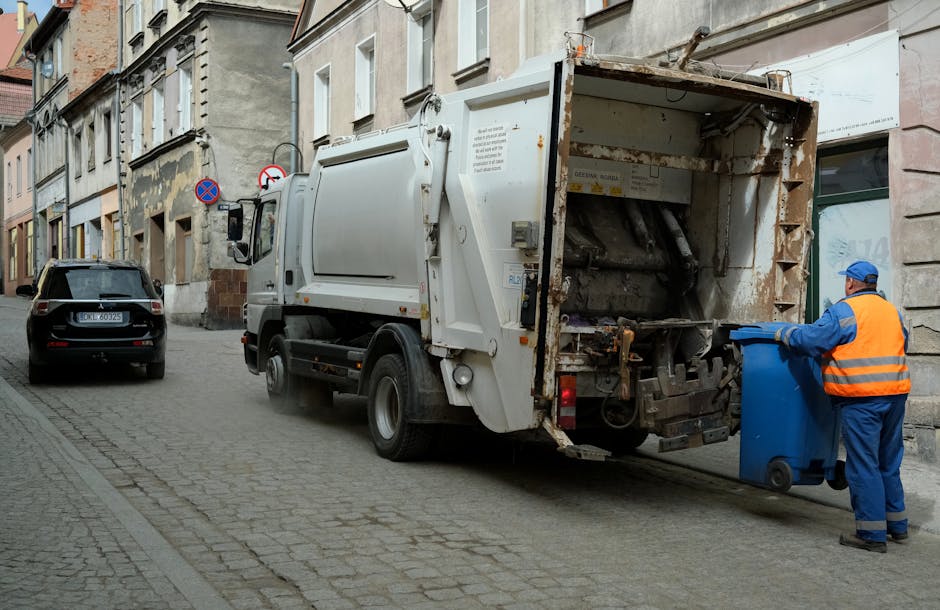
 Tipper Van - Waste Collection and Garden Rubbish Removal Prices in Bromley, BR1
 Luton Van - Waste Collection and Garden Rubbish Removal Prices in Bromley, BR1


