Household rubbish collection Shortlands BR2 Bromley service tips
Posted on 10/08/2026
If you live in Shortlands and you are trying to keep on top of household rubbish collection, you already know the routine can get messy fast. One week it is a few bags and a broken chair; the next it is a stack of cardboard, an old mattress, and the sort of odd bits that seem to breed in cupboards. These Household rubbish collection Shortlands BR2 Bromley service tips are designed to make the whole thing simpler, safer, and less stressful.
In practice, good rubbish collection is not just about getting waste out of the way. It is about sorting properly, avoiding collection delays, reducing contamination, and making sure bulky or awkward items are handled in a sensible way. That matters in a family home, a flat, a rental, or a property between tenants. It also matters if you want a service that feels organised rather than chaotic.
Below, you will find practical guidance on how household rubbish collection works locally, what to prepare, what to avoid, and how to choose a method that fits the amount and type of waste you have. No fluff. Just useful, lived-in advice that helps you make a better decision.
Why Household rubbish collection Shortlands BR2 Bromley service tips Matters
Household waste looks harmless until it starts taking over hallways, sheds, and spare rooms. Then it becomes a practical problem, a time problem, and sometimes a safety problem too. In a busy part of Bromley like Shortlands BR2, a clear plan helps you avoid the classic last-minute shuffle where bags are left in the wrong place, heavy items are lifted badly, or mixed waste ends up costing more to remove.
There is also a local reality to think about. Streets can be tight, parking can be awkward, and access is not always perfect. If collection day is squeezed between school runs, work calls, and the general noise of everyday life, a little preparation goes a long way. To be fair, most rubbish issues are not dramatic. They are just annoying. But that is exactly why good systems matter.
Another reason these tips matter is recycling. Sorting waste properly means more of it can be handled responsibly, and less ends up mixed with general rubbish. If you are trying to be more intentional about disposal, it is worth reading up on recycling and sustainability guidance as part of your wider plan.
In short, a tidy collection routine saves effort, reduces stress, and usually gives you better value. That is not a bad trade.
How Household rubbish collection Shortlands BR2 Bromley service tips Works
Most household rubbish collection follows a simple pattern: you identify the waste, separate what can be reused or recycled, and arrange removal based on the amount and type of items. The exact process depends on whether you are dealing with everyday bags, bulky household rubbish, old furniture, or a mixed clear-out after a move or refurbishment.
For many homes, the process begins with a quick sort. General waste goes in one place. Recyclable cardboard, paper, glass, or metal should be separated where possible. Bulky items like wardrobes, broken sofas, or mattresses often need a different approach from standard bin waste. If you are clearing several rooms at once, services such as house clearance in Bromley can make more sense than trying to move everything in stages.
Collection is usually more efficient when access is easy. That means having a clear path from the house to the vehicle, keeping items dry if possible, and making sure anything sharp or awkward is safely contained. Even small things matter here. A ripped bag at the wrong moment can turn a tidy job into a small headache very quickly.
Some households also need specialist removal for particular waste streams. Garden cuttings, construction offcuts, and unwanted furniture should not always be treated as generic rubbish. If your load is mainly outdoor waste, garden waste removal in Bromley may be the more suitable route. If it is old chairs, tables, or a heavy sofa, furniture disposal in Bromley can save a lot of lifting and hassle.
There is no single perfect method for every home. The key is matching the service to the waste. Simple idea, but it is the part people often skip.
Key Benefits and Practical Advantages
Done well, household rubbish collection is about much more than disposal. The right approach gives you breathing room in the home, reduces the risk of clutter building up again, and helps you avoid the awkward pile-up that makes every room feel half-finished.
- More usable space - Clearing stored waste creates room in lofts, hallways, sheds, and utility areas.
- Less manual strain - Heavy or awkward items are easier to deal with when the removal plan is thought through.
- Better organisation - Sorting waste in advance helps avoid contamination and missed recycling opportunities.
- Cleaner presentation - Useful for landlords, movers, and anyone preparing for guests or inspections.
- Reduced stress - A scheduled collection is usually far calmer than trying to self-manage multiple trips.
- Better local fit - A service tailored to Shortlands BR2 access and property layouts is often more efficient than a one-size-fits-all approach.
There is also the simple emotional benefit of getting a task off your mind. You know that feeling when one corner of the house keeps nagging at you every time you walk past it? Clearing it properly can be oddly satisfying. Almost too satisfying, actually.
If you want a broader view of how waste services fit into local property upkeep and day-to-day living, the articles on Bromley living from a local perspective and buying a home in Bromley offer useful context for homeowners and movers alike.
Who This Is For and When It Makes Sense
This topic matters to a lot more people than you might think. It is not just for households doing a full clear-out. In reality, most homes need rubbish collection help at some point, and usually more often than they expect.
You may need it if:
- you are decluttering after years of built-up storage
- you are moving into or out of a property in Shortlands BR2
- you have bulky furniture that will not fit standard collection routes
- you are preparing a rental property for new tenants
- you are managing a post-renovation tidy-up
- you have garden waste that has outgrown the green bin
- you want a faster alternative to multiple car trips to disposal points
It also makes sense if you simply value convenience. Not everyone has the time, vehicle space, or lifting strength to deal with household waste in the old-fashioned way. And let's face it, dragging a damaged wardrobe through a narrow hallway at 7:30 on a weekday is not anyone's idea of a good morning.
For people handling larger or more mixed clearances, it can help to look at services overview first so you can compare the options before booking anything.
Step-by-Step Guidance
If you want a smoother collection experience, follow a structured approach. Rushing the prep stage usually creates more work later. A calm hour upfront often saves a chaotic afternoon.
- Walk through the property. Check every room, cupboard, loft hatch, shed, and under-stairs area for waste or unwanted items.
- Separate waste by type. Put recyclables apart from general waste, and isolate bulky items so nothing gets buried at the last minute.
- Identify anything special. Paint tins, electrical items, or sharp objects may need separate handling. Don't just toss them into the nearest bag and hope for the best.
- Measure awkward items. If something is large, make a note of the size and whether it can be dismantled.
- Check access. Make sure the route to the collection point is clear, dry, and safe to walk through.
- Book the right service. Match the collection method to the amount and type of rubbish. A light bag collection is not the same as a full house clearance.
- Set items out neatly. Group waste together so collection is quicker and safer for everyone involved.
- Do a final sweep. Look for forgotten drawers, corner piles, or items left in the garden.
That final sweep matters more than people expect. The small forgotten bits are usually what annoy you later. A single bag behind the shed, a cracked shelf in the garage, that kind of thing. It happens.
A quick practical note on sorting
If your household rubbish includes mixed waste, try to keep the heavy and messy items apart from clean recyclables. Cardboard with food residue, for example, is not ideal if you are trying to improve recycling quality. If you have more than one waste type in the same week, split it into piles first. It sounds obvious, but obvious is often what gets skipped when life is busy.
Expert Tips for Better Results
From a practical point of view, the best rubbish collection jobs are the ones that look almost boring. No frantic decision-making, no surprise items at the bottom of a pile, no "we'll sort that later" energy. A bit of discipline at the start helps a lot.
- Book before the pile grows. One small collection is usually easier and cleaner than one giant overdue clear-out.
- Use sturdy bags and boxes. Weak packaging slows everything down and increases the chance of spills.
- Keep sharp or breakable waste separate. Broken glass, metal offcuts, and splintered furniture should not rattle around loose.
- Flatten cardboard early. It saves space and makes the load more manageable.
- Think in zones. Kitchen, loft, garden, garage. Splitting the task by area keeps you sane.
- Label items if needed. This is especially helpful in shared homes or properties with multiple occupiers.
- Ask about recycling options. A provider with a clear recycling approach is usually a better fit for households trying to cut waste.
One useful habit is to keep a small "remove" corner in the house during a declutter. Put all outgoing items there for a few days and do not mix them back into everyday storage. It sounds trivial, but it stops the dreaded re-clutter cycle.
If you are comparing price and service features, the page on pricing and quotes is a sensible place to check how a collection may be costed. And if payment security matters to you, which it should, review payment and security information before confirming anything.

Common Mistakes to Avoid
A lot of collection problems are preventable. Usually it is not the rubbish itself that causes the issue; it is the way it has been prepared. Here are the mistakes we see most often.
- Mixing everything together. Once recyclables, general waste, and bulky items are all tangled up, sorting becomes slower and less efficient.
- Leaving items in blocked access areas. Narrow hallways, blocked driveways, and wet paths create avoidable delays.
- Underestimating the volume. What looks like three bags may turn into eight once sorted properly.
- Forgetting about restricted items. Some materials need special handling and should not be added casually to household rubbish.
- Booking the wrong type of service. A basic collection might not suit a full room clearance, and that mismatch can be frustrating.
- Waiting until the last minute. Panic booking rarely leads to a better outcome.
- Ignoring safety. Heavy lifting, blocked routes, and loose debris can cause avoidable injuries.
Truth be told, most of these mistakes happen because people are trying to save time. The irony is obvious: skipping the prep usually costs more time later. Sometimes a lot more.
For households that also need to dispose of mixed building debris, do not miss builders waste disposal in Bromley, especially if the rubbish includes renovation offcuts or heavier materials from home improvements.
Tools, Resources and Recommendations
You do not need specialist equipment for a decent household rubbish clear-out, but a few basic tools make everything smoother. Think of this as the difference between a tidy job and a mildly chaotic one.
- Heavy-duty sacks for general household waste
- Sturdy boxes for mixed small items, books, and loose contents
- Work gloves to protect your hands from sharp edges and grime
- Marker pens or labels for sorting and separating items
- Tarpaulin or sheeting if items need to be kept dry before collection
- Trolley or sack truck for heavier loads, if you are moving anything yourself
- Old cloths or wipes for the final tidy-down after items are removed
For most homes, a little prep kit is enough. Nothing fancy. No need to turn your front room into a logistics hub.
It can also help to think about your longer-term waste habits, not just the one-off collection. If you regularly clear garden waste, seasonal clutter, or old furnishings, keeping an eye on about us and insurance and safety pages can help you judge whether the provider feels properly set up and trustworthy.
Law, Compliance, Standards, or Best Practice
For household rubbish collection, the main thing is to stay within normal UK waste-handling expectations and avoid putting unsafe or inappropriate items into general rubbish. You do not need to become a waste law expert, but you do need to be sensible. That part matters.
Best practice usually includes:
- separating recyclable items where practical
- keeping sharp, heavy, or fragile items contained safely
- not overfilling bags so they split during handling
- identifying any waste that needs special treatment
- making sure items are presented safely for collection
If you are dealing with household rubbish alongside sensitive items or mixed clearances, check the provider's stated terms carefully. The pages on terms and conditions and privacy policy are the right sort of reference point if you want to understand how a service is structured and what information may be handled.
There is also a wider ethical side to waste disposal. Responsible collection should support recycling where possible and avoid careless disposal habits. That does not require perfection. Just attention. And, frankly, a bit of common sense goes a long way.
Options, Methods, or Comparison Table
Different households need different approaches. Here is a simple comparison of common collection methods so you can choose the one that fits your situation.
| Method | Best for | Pros | Things to watch |
|---|---|---|---|
| Bagged household rubbish collection | Routine waste, small clear-outs, excess bags | Quick, simple, low disruption | Needs good sorting and safe placement |
| Bulky item removal | Sofas, wardrobes, beds, white goods | Handles awkward items cleanly | Access and lifting need planning |
| House clearance | Multiple rooms, inherited properties, major declutter | Efficient for larger jobs | More preparation and scheduling required |
| Garden waste removal | Cuttings, branches, soil-filled bags, green waste | Keeps outdoor waste separate | Not suitable for mixed household rubbish |
| Builders waste removal | DIY debris, renovation waste, mixed heavier items | Useful after home improvements | Must not be confused with normal rubbish |
For some households, the choice is obvious. If you are clearing a few bins and bags, a simple household rubbish collection may be enough. If you have three bedrooms to empty and a loft full of old furniture, a broader clearance solution is usually the better fit. No prize for making it harder than it needs to be.
Case Study or Real-World Example
A typical Shortlands BR2 scenario might look like this: a family has been gradually storing items in the spare room after a kitchen refresh, a wardrobe replacement, and a garden tidy-up. By the time they notice it, the room contains cardboard, two broken dining chairs, several bags of mixed waste, and a sagging box of old cables. Not dangerous, exactly. Just one of those "we should deal with this soon" situations that quietly grows.
Rather than trying to move everything in one go without a plan, they sort the waste into groups. Cardboard and clean recyclables go together. Furniture is separated. General rubbish is bagged securely. Sharp bits are wrapped and clearly marked. Access through the side path is cleared, and the items are staged near the exit. The result is faster collection, less lifting, and far less mess in the house.
What made the difference was not brute force. It was preparation. A half-hour of sorting before collection day made the rest of the job feel surprisingly ordinary, which is exactly what you want.
If the waste had included more complex items or the whole property needed emptying, the family might have been better served by a dedicated house clearance service rather than trying to treat it as general rubbish.
Practical Checklist
Use this checklist before you book or set out your household rubbish. It saves hassle, especially if you are short on time.
- Have I separated general waste from recyclables?
- Have I identified any bulky, sharp, or awkward items?
- Are bags strong enough and not overfilled?
- Is the access route clear from the house to the collection point?
- Do I know whether any items need special handling?
- Have I checked if furniture or garden waste should be removed separately?
- Have I measured anything large enough to cause a lifting or access issue?
- Have I reviewed the service details, pricing, and payment information?
- Have I left myself enough time for a final sweep of the property?
- Am I confident the load is ready to go without last-minute sorting?
Expert summary: The best household rubbish collection is rarely the one that happens fastest. It is the one that is sorted properly, booked for the right type of waste, and easy to collect without drama.
If you want to look at broader waste handling options before making a decision, the waste collection in Bromley page is a sensible starting point for understanding how a general service fits into your household needs.
Conclusion
Household rubbish collection in Shortlands BR2 does not need to feel like a weekly battle with bags, boxes, and awkward bits of furniture. With the right preparation, a clear sorting habit, and a sensible choice of service, the job becomes much easier. Usually, that is the whole game: less guessing, more sorting, and a little discipline before collection day.
The best results come when you treat waste removal as part of normal home management rather than a last-minute emergency. Keep your loads separate where possible, choose the right collection method, and give yourself enough time to do the simple jobs properly. Small effort, big difference.
Get a free quote today and see how much you can save.
And if you are dealing with a bigger clear-out, remember that the right support can turn a heavy task into a manageable one. That is a relief worth having.
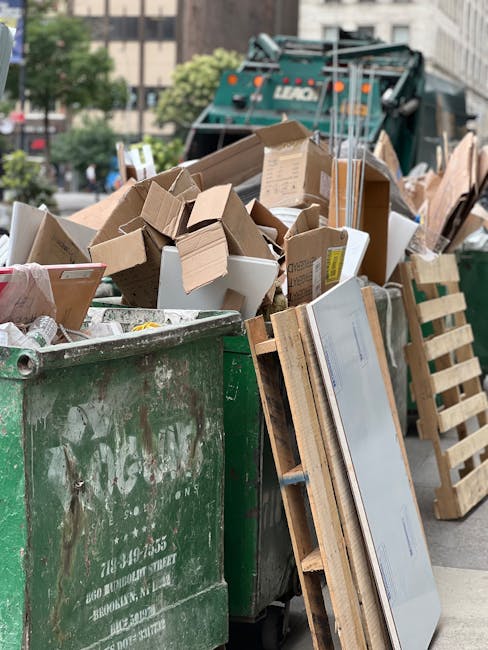
 Tipper Van - Waste Collection and Garden Rubbish Removal Prices in Bromley, BR1
 Luton Van - Waste Collection and Garden Rubbish Removal Prices in Bromley, BR1


