Avoid hidden rubbish removal charges in Bromley BR1
Posted on 10/10/2026
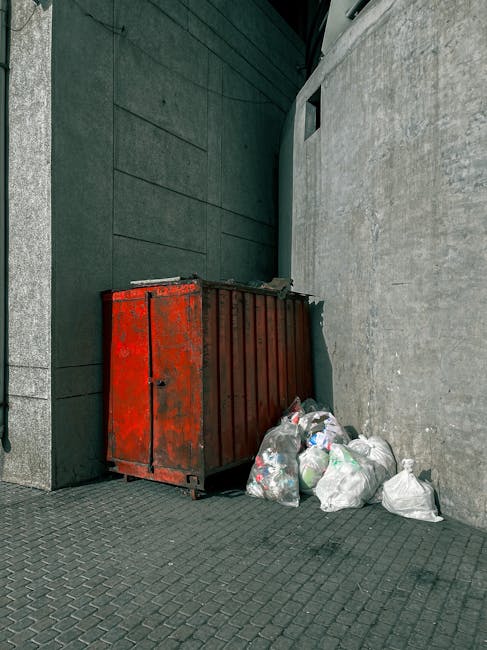
If you have ever booked a clearance and then watched the final bill creep up for "extra labour", "access issues", or a mystery disposal fee, you already know why hidden rubbish removal charges in Bromley BR1 are such a pain. It is not just about money. It is about trust, timing, and not feeling like you have been cornered on the driveway while the van is still warm. In a busy local area like Bromley, where flats, terraces, gardens, and commercial spaces all throw up different access problems, a clear price matters more than people first realise.
This guide breaks down how hidden charges happen, how to spot them early, and what to ask before you agree to anything. You will also find a practical checklist, a comparison table, and a few real-world pointers that make the whole process easier. Truth be told, most surprises can be avoided with a little structure and a few direct questions.
Why Avoid hidden rubbish removal charges in Bromley BR1 Matters
Let's face it: rubbish removal should be simple. You want the waste gone, the area left tidy, and the price to match what you were told. Hidden charges upset that simple deal. In Bromley BR1, where homes and businesses can range from compact flats to larger properties with awkward access, costs can shift if a company has not asked the right questions up front.
That is why avoiding hidden rubbish removal charges in Bromley BR1 matters so much. A quote that looks cheap can become expensive once the team arrives and starts adding on extras. In practice, that often means you pay more because of stairs, parking restrictions, heavy items, limited loading time, or waste that was not described properly from the start.
The bigger issue is confidence. If a provider is unclear about pricing before they arrive, it is hard to feel sure about anything else. Are they insured? Will they sort recycling properly? Will they actually take everything listed? A fair quote usually signals a more organised service overall. Not always, but often enough that it is worth paying attention.
Expert summary: The best way to avoid unpleasant surprises is to describe the waste clearly, confirm what the quote includes, and ask what could change the price before the job starts. Simple, but effective.
There is also a local angle here. Bromley streets can be busy at certain times, parking can be awkward, and access for vans is not always straightforward. A provider that understands the area is often better at pricing accurately the first time. That does not guarantee perfection, but it helps a lot.
How Avoid hidden rubbish removal charges in Bromley BR1 Works
Hidden charges usually appear when the job changes from the original description. Good rubbish removal pricing is based on what the provider believes they will collect, how much space it will take in the vehicle, how long it will take to load, and whether there are any access or disposal complications. If any of those details are unclear, the risk of extras rises.
In a normal booking, you should expect the company to ask about the type of waste, approximate volume, weight where relevant, access details, and whether the rubbish is mixed. For example, a few black bags from a household clear-out are very different from a dismantled wardrobe, broken tiles, old office chairs, and some garden cuttings all piled together. The more mixed the load, the more important it is to be specific.
Some companies quote by load size, some by item, and some by van space or labour time. Each can work well if explained clearly. Problems start when the quote is vague. "From GBPx" can be perfectly fine if the company also tells you the conditions that affect the final price. If they do not, that is when you should slow down.
To be fair, not every extra cost is a "hidden charge". Sometimes a team arrives and finds more waste than expected, or waste that needs separate handling. The key difference is transparency. A proper provider will explain the reason before charging more. That is the bit that builds trust.
Key Benefits and Practical Advantages
Clear pricing does more than save money on the day. It makes the whole clearance process calmer, quicker, and less annoying. And who does not want that?
- Fewer surprises: You know what you are likely to pay before the team turns up.
- Better budgeting: Useful for landlords, homeowners, letting agents, and small businesses planning a move or tidy-up.
- Less back-and-forth: Clear quotes reduce the need for awkward calls and renegotiation at the kerb.
- More accurate service: The provider can bring the right vehicle and enough labour first time.
- Better trust: Transparent pricing often goes hand in hand with better customer care.
- Cleaner outcomes: When the job is scoped properly, the site is more likely to be cleared fully and neatly.
There is a practical benefit people overlook: time. If you get a quote wrong, you may spend longer sorting it out than actually getting the waste removed. That is especially frustrating if you have keys to hand back, a rental end date coming up, or a builder waiting to start the next phase. A clear price avoids that little domino effect that turns a small job into a messy one.
For some readers, the biggest advantage is simply peace of mind. You are not sitting there wondering whether the final invoice will jump because the pile looked bigger from a different angle. That calm feeling is worth something.
Who This Is For and When It Makes Sense
This matters if you are planning any kind of waste removal in BR1 and want to avoid being caught out. In our experience, the people who benefit most are the ones dealing with deadlines or mixed waste. That usually includes:
- homeowners clearing lofts, sheds, garages, or spare rooms
- tenants moving out and trying to leave the place tidy
- landlords or letting agents between tenancies
- small businesses emptying an office or stockroom
- tradespeople with leftover builders' waste
- families dealing with a large household clearance
It also makes sense if your waste is awkward rather than straightforward. Heavy furniture, broken appliances, mixed materials, or bags stacked in a narrow hallway can all affect the quote. A provider can only price fairly when they understand what they are facing.
Here is the thing: if your waste is simple and easy to access, a quick quote may be enough. But if there is any doubt at all, ask more questions. Better a slightly longer phone call now than an irritated moment later when the bill lands higher than expected.
And yes, if you are comparing options from different firms, clear pricing can reveal a lot. The cheapest quote is not always the cheapest job. Funny how that works.
Step-by-Step Guidance
Below is a practical process you can follow before booking. It is simple, but it covers the main points that usually cause trouble.
- List the waste properly. Write down what needs removing and be specific. "Old furniture" is vague; "three-seat sofa, two bedside tables, and a broken chest of drawers" is much better.
- Estimate volume honestly. Think in terms of how much space the waste takes. A few bags tucked into one corner are not the same as a full garage load.
- Photograph the items. A couple of clear photos can help avoid misunderstandings, especially with mixed loads or bulky pieces.
- Explain access. Mention stairs, narrow paths, locked gates, parking constraints, or any lift restrictions. Access can affect labour time.
- Ask what the quote includes. Does it cover loading, transport, disposal, and labour? Does it include VAT if applicable? Ask plainly.
- Ask what could increase the price. This is the key question. If extra waste, access issues, or special handling could affect the cost, you want to know before anyone arrives.
- Confirm the booking in writing if possible. A written summary of what was agreed helps prevent misunderstandings. It does not need to be fancy.
- Recheck the pile before collection. If you add more items at the last minute, mention it early. Surprises at the end are where disputes start.
A small but useful habit: stand back and look at the waste as if you were the person quoting it. Would you understand what is there in five seconds? If not, add detail. It sounds a bit obvious, but honestly, it saves hassle.
If you are dealing with a bigger clear-out, it can also help to sort items into rough groups: furniture, bagged waste, garden waste, and anything that may need separate disposal. This makes the conversation easier and helps the provider give a more realistic estimate.
Expert Tips for Better Results
These are the small things that make a big difference. Nothing flashy, just the sort of practical steps that tend to stop problems before they start.
- Be exact about mixed waste. A load with furniture, plasterboard, cardboard, and garden clippings may be priced differently from a clean household load.
- Check for item-specific charges. Large appliances, mattresses, and certain bulky items can sometimes carry different handling costs.
- Ask whether the quote is fixed or estimated. That one word changes everything.
- Confirm waiting or loading limits. If the team has to park far away or wait for access, the cost may change.
- Clarify whether recycling is included. Many people like to know where the waste goes, especially for reusable or recyclable items.
- Use photos for anything awkward. Photos are brilliant for staircases, tight hallways, large wardrobes, and overgrown garden corners.
One local detail that matters in Bromley BR1 is timing. If your road is busy, or if parking is tight around school runs and commuter hours, collection can take longer than you might think. A company that asks about timing is usually thinking ahead rather than winging it. That is a good sign.
Also, do not be shy about asking what happens if the load is smaller than expected. A fair provider should explain how the final price will be adjusted. Clear rules help everyone. No drama, no guesswork.
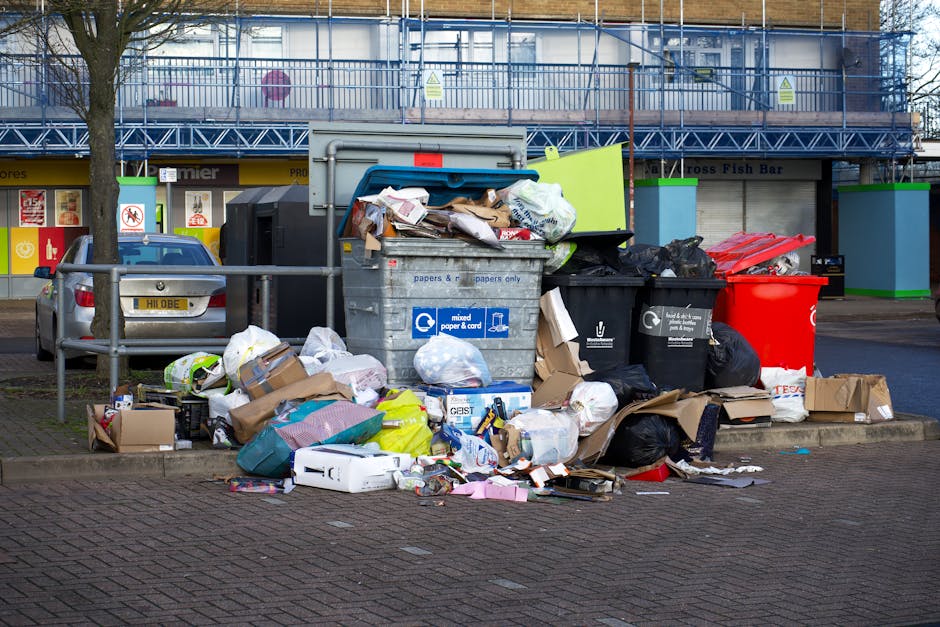
Common Mistakes to Avoid
Most hidden charges can be traced back to a small number of avoidable mistakes. The tricky part is that they often feel harmless at the time.
- Giving only a rough description. "Some rubbish" is too vague to price properly.
- Forgetting access details. Stairs, tight turns, and distance from van to property all matter.
- Assuming heavy equals simple. Heavy waste can change the labour or disposal approach.
- Not asking about extra fees. If you do not ask, you may only find out when it is too late.
- Mixing different waste types without saying so. Builders' waste, garden waste, and household items are not always treated the same way.
- Booking only on price. Cheapest is tempting, of course. But if the quote is too thin, you may pay for it later.
There is another one people overlook: not checking what happens if the collection cannot be completed as planned. Maybe access is blocked. Maybe there is more waste than described. Maybe there is a parking problem. A decent company should explain the process in plain English, not leave you guessing. If they dodge the question, that says plenty.
And yes, sometimes the problem is not the provider. Sometimes the original estimate was simply based on incomplete information. It happens. That is why accurate descriptions matter so much.
Tools, Resources and Recommendations
You do not need specialist tools, but a few simple things make the booking much easier and the quote more reliable.
- Phone camera: Take clear photos of the waste from a few angles.
- Basic room or garden measurements: Useful if the pile is spread out or stored in a shed, loft, or garage.
- Simple waste list: A written list helps you avoid forgetting items when you call.
- Calendar reminder: Handy if your clearance needs to happen before a move, delivery, or builder start date.
- Notepad for questions: Keep a short list of pricing questions so nothing gets missed.
If you want to understand the wider service picture, it can also help to review the company's services overview so you know what kinds of collection they handle. For local examples and broader context, the company's local Bromley perspectives can be useful too, especially if you want to understand how waste collection fits into everyday life in the area.
When comparing options, you may also find the pricing and quotes page helpful because it can show how a provider explains its charging structure. That is exactly the kind of detail that helps you avoid surprises. Nice and boring, in the best possible way.
Law, Compliance, Standards, or Best Practice
Any rubbish removal provider should operate carefully and responsibly. You do not need to know every technical detail, but you do need confidence that the waste will be handled lawfully and safely. In the UK, that usually means being clear about who is taking the waste, what happens to it after collection, and whether the company follows proper environmental and safety practices.
Best practice is straightforward: the provider should explain the service clearly, avoid vague pricing, and handle waste in a way that supports proper disposal or recycling where possible. If you are a homeowner, landlord, or business owner, it is reasonable to ask how waste is transported and what type of load it is classed as. That is not being difficult. That is being sensible.
It also helps to think about safety. Heavy lifting, broken items, sharp materials, and awkward access can all create risk. A reputable company should take that seriously and have appropriate insurance and safety procedures in place. If you want a clearer picture of those standards, the insurance and safety page is a sensible place to look.
For customers concerned about reuse and disposal impact, look for an approach that includes recycling where practical. The company's recycling and sustainability information can help here. It is not just a nice extra; it is part of responsible waste handling.
Finally, read the terms before you book. Really read them. I know, nobody loves terms and conditions, but that is often where the practical details sit. If something is unclear, ask for it to be explained in plain language.
Options, Methods, or Comparison Table
Different removal methods suit different jobs. Choosing the wrong one is one of the easiest ways to end up with a bill that feels bigger than expected.
| Option | Best for | Strengths | Potential risk of hidden charges |
|---|---|---|---|
| Fixed quote rubbish removal | Clear, well-described jobs | Easier budgeting, fewer surprises | Low, if the waste is described accurately |
| Estimate-based collection | Jobs where volume may change | Flexible and quick to arrange | Medium, if the estimate was too vague |
| Item-based removal | Single bulky items or small loads | Simple for sofas, fridges, and similar items | Medium, if access or item condition is not disclosed |
| Labour-based collection | Heavy, awkward, or mixed clearances | Useful when loading takes longer | Higher, if time, stairs, or distance were not explained |
If you are clearing a home, you may want to compare broader service types such as house clearance in Bromley or furniture disposal services. For outdoor projects, garden waste removal may be a better fit. And if the job is related to a refurbishment or build, builders' waste disposal is usually the more relevant route.
The right method is often the one that matches the waste, the access, and the timing. Nothing glamorous there. Just practical.
Case Study or Real-World Example
Picture a typical Bromley BR1 clear-out. A homeowner is preparing to hand back keys after moving out and has a mix of items left in the front room: a sofa, several bags of general waste, a dismantled coffee table, and a few boxes from the kitchen. At first glance it feels like a straightforward job.
Then they mention the flat is up one flight of stairs, parking is limited outside, and the boxes include some heavier mixed items. Suddenly the "quick job" is no longer quite so quick. If those details had been left out, the quote might have changed on arrival. That is the exact situation where hidden charges tend to appear.
What helped in this case was simple: photos, a clear list of items, and an upfront question about whether stairs and parking affected the price. The provider could then assess the job properly and explain the cost before collection day. No awkward pause at the door. No surprise invoice. Just a cleaner handover.
A smaller version of the same thing happens with garden clearances too. A few cuttings in a bag are one thing. A wet, tangled pile of branches, soil, and broken pots is another. It all looks manageable until you try to shift it. That is why detail matters.
If you want to understand how local collection jobs can vary in practice, some nearby examples such as rubbish collection in Bromley town centre and household rubbish collection tips for Shortlands BR2 show how access and property type can change the approach. Different area, same lesson: details matter more than people expect.
Practical Checklist
Use this before you confirm any rubbish removal booking in Bromley BR1. It takes a few minutes and can save a lot of bother.
- Have I listed every item or waste type that needs removing?
- Have I taken clear photos from more than one angle?
- Have I explained stairs, gates, parking, or any access issue?
- Have I asked whether the quote is fixed or estimated?
- Have I asked what could increase the final price?
- Do I know whether loading, transport, disposal, and labour are included?
- Have I checked whether any items need special handling?
- Do I know whether recycling or reuse is part of the service approach?
- Have I read the terms and conditions carefully enough to spot pricing exceptions?
- Have I left myself enough time in case the waste turns out to be more than expected?
If you can tick most of those boxes, you are already ahead of the game. Not perfect, maybe. But much safer than hoping for the best and crossing your fingers at the gate.
Get a free quote today and see how much you can save.
Conclusion
The easiest way to avoid hidden rubbish removal charges in Bromley BR1 is to slow the conversation down just enough to make it accurate. Describe the waste properly. Mention access issues. Ask what is included. Ask what is not. If the quote is clear, the job is far more likely to stay clear.
That approach saves money, yes, but it also saves irritation. And that matters. A rubbish removal job should leave you with a cleaner space, not a headache and a bill you need to decode over tea.
If you take one thing away from this guide, let it be this: the right questions at the start are usually what prevent awkward surprises at the end. Simple enough, really.
And once it is done, the room feels lighter. The air does too. That little relief is worth protecting.

 Tipper Van - Waste Collection and Garden Rubbish Removal Prices in Bromley, BR1
 Luton Van - Waste Collection and Garden Rubbish Removal Prices in Bromley, BR1


